Dental crowns are a trusted solution for protecting and enhancing damaged teeth. Whether you need to restore functionality or improve appearance, crowns can provide durable and aesthetically pleasing results. However, making an informed choice requires understanding their benefits and potential drawbacks. This guide on dental crowns dives into essential details to help you decide if they suit your needs.
What Are Dental Crowns?
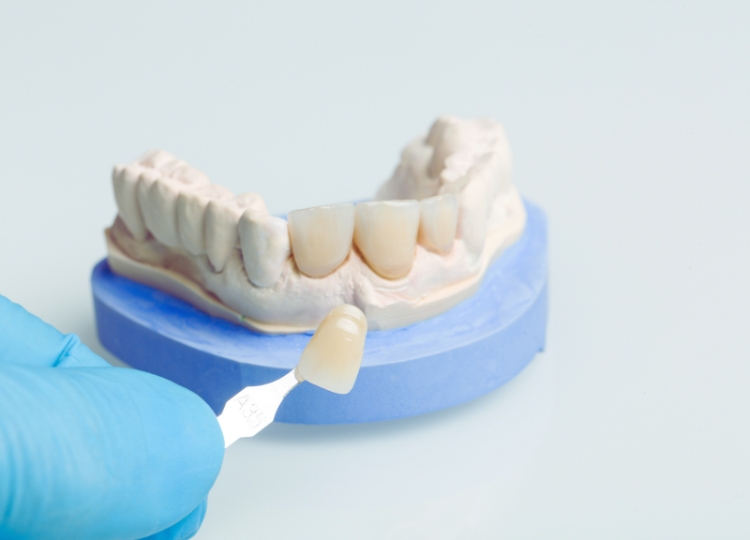
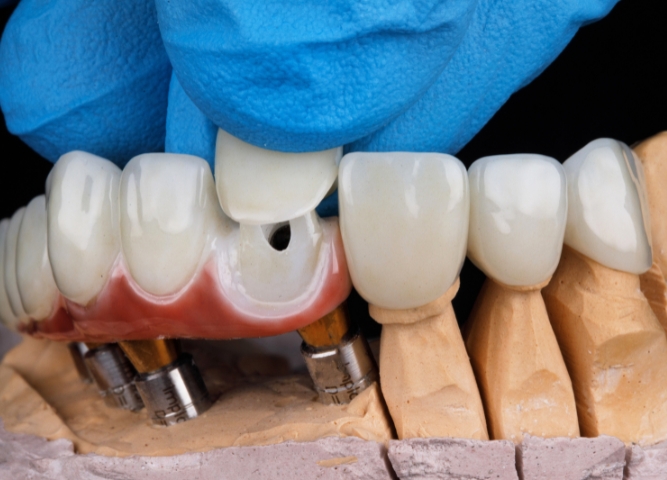
Dental crowns are caps placed over teeth to restore size, shape, and strength. They protect weakened or damaged teeth, providing a natural look and enhanced functionality. Commonly made from porcelain, ceramic, metal, or a combination, they are tailored to match the surrounding teeth.
Uses of dental crowns include:
- Protecting teeth after a root canal.
- Covering large fillings.
- Restoring broken, cracked, or worn teeth.
- Improving cosmetic appearance.
The Advantages of Dental Crowns
Choosing dental crowns offers both functional and aesthetic benefits.
Key benefits include:
- Durability: Crowns can last 10–15 years with proper care.
- Natural appearance: Modern materials blend seamlessly with natural teeth.
- Protection: Shields teeth from further decay or damage.
- Functionality: Restores chewing and speaking ability.
- Custom-fit: Designed to fit perfectly for comfort and efficiency.
Potential Drawbacks to Consider
While dental crowns offer significant benefits, there are some considerations.
Challenges include:
- Cost: Crowns can be expensive without insurance coverage.
- Sensitivity: Teeth may feel sensitive to hot or cold initially.
- Damage risk: Crowns can crack or chip, especially with hard foods.
- Tooth preparation: Requires removing part of the natural tooth structure.
Understanding these factors with this guide on dental crowns can help you weigh whether crowns are the right solution for your dental needs.
When Are Dental Crowns Recommended?
You can search by “dentist near Arcadia” to find a specialist nearby who can recommend the right situations for crown placement. These include:
- Strengthening teeth with large cavities.
- Restoring fractured or severely worn teeth.
- Protecting teeth after a root canal procedure.
- Supporting dental bridges or implants.
Consult a dental professional to evaluate your situation and discuss your personalized treatment plan.
How to Maintain Dental Crowns?
Proper care ensures the longevity of dental crowns.
Maintenance tips:
- Brush and floss daily to prevent plaque buildup.
- Avoid chewing hard objects like ice or pens.
- Schedule regular dental check-ups for monitoring.
- Wear a nightguard if you grind your teeth.
Consistency in oral hygiene and routine care minimizes issues and extends the lifespan of crowns.
Who Should Avoid Dental Crowns?
While crowns are suitable for many, they may not work in some cases. Patients with insufficient tooth structure or untreated decay might need alternative treatments first. Similarly, those with gum disease should prioritize addressing gum health before crown placement.
Discussing your oral health condition with a dentist ensures the most appropriate treatment choice.
Steps to Getting Dental Crowns
A report shows nearly 20% of adults above 75 years of age have lost all of their teeth. As dental crowns can successfully replace missing teeth, getting them can help one restore oral functions. Let’s understand how the process of crown placement takes place:
The steps include:
- Consultation: Your dentist assesses the tooth and discusses options.
- Preparation: The tooth is shaped, and impressions are taken.
- Temporary Crown: A temporary crown protects the tooth while the permanent one is crafted.
- Crown Placement: The custom-made crown is bonded to the tooth.
The entire process typically spans two appointments, ensuring precision and comfort.
Dental crowns provide a reliable solution for restoring and protecting teeth. They offer durability, a natural appearance, and improved functionality. While some considerations exist, their benefits often outweigh potential drawbacks when tailored to individual needs.
Discussing your concerns with a trusted dentist near you ensures the best decision for your oral health. For professional advice and personalized care, contact us today to schedule a consultation.