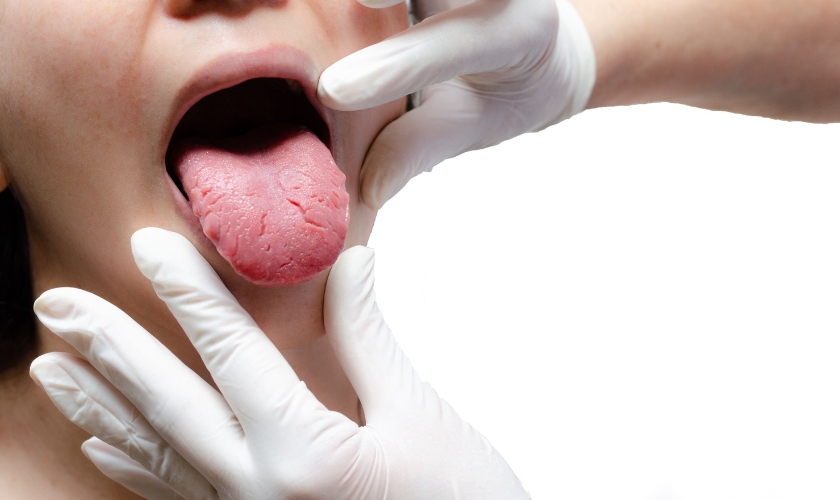
Oral trauma can happen to anyone at any time, while eating and biting down, while speaking, or even while sleeping. The most common and unexpected accident is biting your tongue, lip, or cheek, not realizing it. Most of these injuries are minor, but they hurt and must be treated at once so that they heal well and do not develop complications. If you have just bitten your tongue, lip, or cheek, below is a concise summary of what to do next, how to treat the damage, and when to see a professional.
Steps to Take After Biting Your Tongue, Lip, or Cheek
Accidentally biting your tongue, lip, or cheek will leave you with a sore wound, but panic is not an option. The first thing to do is to stop the bleeding. Such wounds are not commonly serious, but because there are so many blood vessels in the mouth, they will bleed more than anywhere else on the body. This is how you deal with things:
- Clean the Wound: Rinse your mouth using lukewarm water to remove any food residue or debris in the wound.
- Apply Pressure: Place a clean gauze or cloth over the affected area with light pressure. This will help stop the bleeding.
- Cold Compress: If there’s swelling or pain, apply a cold compress or ice pack wrapped in a cloth to the outside of your mouth or cheek. This will help reduce inflammation and numb the area.
These simple steps can often manage minor bites and injuries. However, if the bleeding doesn’t stop after 10-15 minutes, it’s best to visit an emergency dentist in Oklahoma for further treatment.
Determining the Severity of the Injury
Most tongue, lip, and cheek biting oral injuries are minor and will heal in a couple of days if properly cared for, but some signs indicate the injury is worse and requires professional assistance. They include:
- Excessive Bleeding: If bleeding doesn’t cease even after applying pressure to the site, it may be an indication of a more severe wound that must be treated by a professional.
- Big Tears or Puncture Wounds: A deep wound that affects the tissue significantly may need stitches to prevent infection or bad healing.
- Severe Pain: If pain is severe and will not subside, there could be underlying harm such as nerve damage or infection.
In such cases, the best you can do is seek immediate help from a reliable dentist like Dr. Ruminer at 405 Dental Aesthetics, who will treat your injury effectively and ensure that it does not lead to complications.
How to Avoid Injury and Accelerate Healing
After responding to the injury, it’s also essential not to keep rubbing the wound as it heals. Here are some tips to avoid further injury and accelerate healing:
- Do Not Chew on the Infected Area: Try not to chew on the side of your mouth that is infected. This will prevent the wound from reopening as it heals.
- Take Over-the-Counter Pain Relievers: If you are in pain, over-the-counter pain relievers such as ibuprofen or acetaminophen will help ease pain. Just be careful to follow the dosages recommended.
- Rinse with Saltwater: Saltwater rinses can decrease the chance of infection and soothe the area. Simply use a teaspoon of salt and a glass of warm water, and rinse out your mouth several times a day.
Although chewing your tongue, lip, or cheek is a common and minor injury, the right care can aid in quick recovery. Follow this guide to heal the injury at home and minimize pain. Nevertheless, if you are unsure about the injury or if the injury is not healing, do not hesitate to contact 405 Dental Aesthetics. Our team is here to help you with any dental injury, ensuring that you get the care you need without delay.