


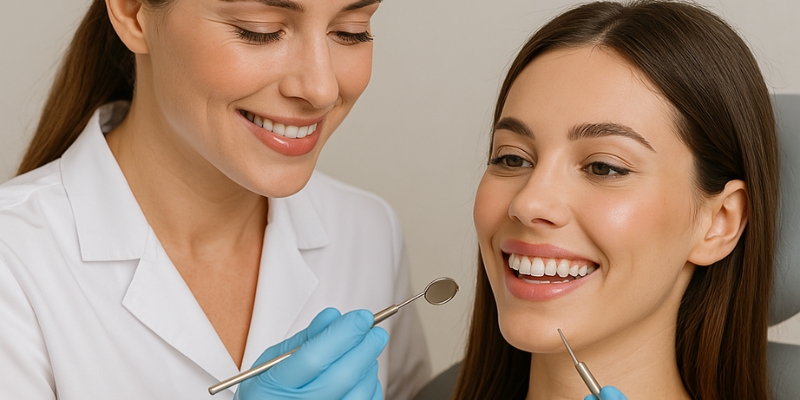
Smiles carry stories. As your smile often speaks before you do, cosmetic dentistry has become the go-to for people looking to upgrade their confidence, not just their teeth. But before diving into veneers, whitening, or smile makeovers, there’s one question that lingers: Are cosmetic dentistry procedures safe?
You’ve probably scrolled through perfect before-and-after shots or watched TikToks of instant smile transformations, and somewhere in the back of your mind, a whisper creeps in: “What if something goes wrong?” It’s a fair question—no judgment. Let’s cut past the filtered hype and get to the truth about safety, risks, and what happens behind the glamour of cosmetic dental treatments.
This blog isn’t about sugarcoating. It’s about giving you honest, well-researched answers, minus the jargon, so that you can make decisions with confidence, not anxiety.
The Real Deal: What Counts as Cosmetic Dentistry?
Not every procedure that enhances your smile is purely cosmetic, but cosmetic dentistry typically focuses on improving the aesthetics of your smile. Think of it as smile design—reshaping, restoring, or whitening teeth to boost your overall appearance.
Popular cosmetic treatments include:
- Porcelain veneers
- Teeth whitening (in-office or take-home)
- Dental bonding
- Invisalign or clear aligners
- Gum contouring
- Tooth-colored fillings or crowns
While these are primarily visual fixes, many of them also offer functional benefits, such as restoring chipped teeth or aligning bites without the need for metal braces.
Safety First: What Makes These Procedures Safe?
Let’s get to the core: cosmetic dentistry procedures are safe when performed correctly under the supervision of a licensed cosmetic dentist in Piedmont OK.
Here’s why:
- Biocompatible materials are standard in most cosmetic treatments. Veneers, bonding agents, whitening gels, and aligners are made from materials that have been tested for long-term use in the human body.
- Minimally invasive techniques now dominate cosmetic dentistry. Most procedures, such as bonding or whitening, do not require surgery or deep intervention. Even porcelain veneers involve conservative prep.
- Digital dentistry tools help improve precision. Smile simulations, 3D imaging, and intraoral scanners reduce guesswork and help ensure predictable, safe outcomes.
But the biggest game-changer? A cosmetic dentist tailors the treatment to your specific oral health condition, rather than a one-size-fits-all approach. That’s how you keep risks low and results high.
Let’s Be Honest: What Are the Possible Risks?
No procedure in any medical or dental field is entirely risk-free. Cosmetic dentistry is no exception—but that doesn’t mean danger is lurking.
Here’s what might happen if things aren’t done properly:
- Tooth sensitivity after whitening or veneer preparation is a common but usually temporary side effect.
- Over-prepping for veneers can compromise tooth enamel if not done with precision.
- Gum irritation from whitening trays or poorly fitted aligners is possible but manageable.
- Allergic reactions to materials are rare but worth noting, especially for bonding agents or metals in crowns.
The good news? These outcomes are preventable and manageable when treatments are carefully planned based on your mouth, not just an aesthetic checklist.
Personalized Planning is Everything
Safety in cosmetic dentistry isn’t about the treatment alone—it’s about how it’s planned. There is no such thing as a truly safe “quick fix” in the long run.
An ethical cosmetic dentist, for instance, won’t jump straight into placing veneers or recommending whitening. They will take the time to assess your bite, enamel thickness, gum health, and even your lifestyle. (Coffee drinker? Night grinder? These matter!)
That level of detail in planning ensures:
- Teeth aren’t over-treated
- Enamel remains protected
- Results last longer
- You don’t walk away with regrets masked by a new smile.
Bottom line: if someone’s ready to slap on veneers during your first visit without a thorough exam, walk away.
What About DIY Cosmetic Dentistry?
We’ve all seen them—over-the-counter teeth whitening kits, snap-on veneers, or at-home aligner companies that skip in-person evaluations altogether. Tempting, right?
But here’s the truth: Convenience doesn’t equal safety.
You’re gambling with your oral health without a dental professional evaluating your gums, enamel, or bite alignment. Incorrectly fitted whitening trays can cause burns to soft tissues. Misaligned DIY trays can misalign teeth. And those online “veneers”? They don’t bond well, fall out easily, and can damage your natural teeth.
The safest route? Always go to a dentist, especially when cosmetic work is involved.
Trust and Transparency Matter
What truly sets safe cosmetic dentistry apart isn’t the procedure—it’s the process.
The best cosmetic dental experiences include:
- Detailed consultations
- Visual treatment previews
- Open discussions about risks and alternatives
- Follow-up care plans
You should feel comfortable asking questions. If something feels rushed or unclear, that’s your red flag.
A cosmetic dentist in Piedmont, OK, who prioritizes your oral health over trends will consistently deliver safer, more satisfying results. It’s not about perfection—it’s about making your smile feel like you.
So, Are Cosmetic Dentistry Procedures Safe?
Yes, cosmetic dentistry procedures are safe when customized to your dental needs and performed under the care of a trained professional. Materials are vetted, techniques are modern, and tools are precise. But no two mouths are the same, which means what’s safe for one person may not be right for another without proper planning.
Don’t let social media glamor distract you from the facts. Talk to someone who treats your mouth, not just your smile goals. That’s the real secret to getting a beautiful, healthy outcome—without the stress.
And if you’re considering leaping, start with a conversation, not a commitment. That’s where safe, stunning smiles begin.


