
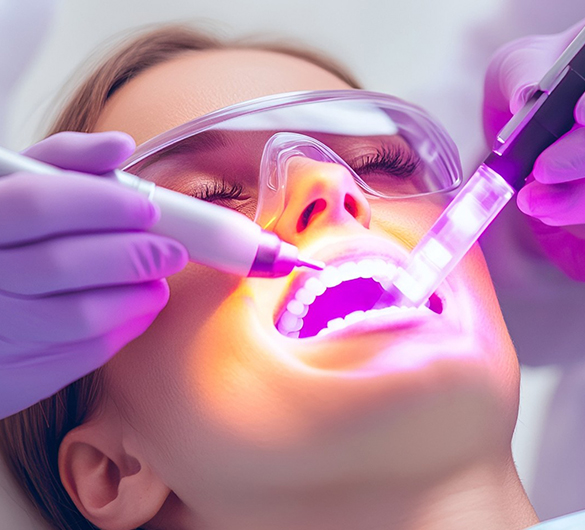
Expert Periodontal Treatment for Gum Disease Edmond
Gum disease is a common yet serious condition that begins with gum inflammation and can progress to bone loss around your teeth. Healthy gums are essential for supporting the bone and soft tissues that hold teeth in place. If left untreated, gum disease can lead to tooth mobility and, in severe cases, tooth loss due to the deterioration of bone and gum tissue. Dr. Kooper offers comprehensive treatment for gingivitis and periodontal disease in Edmond, providing restorative care to repair damage caused by bacterial infections.
Signs of Gum Disease to Watch For
Be mindful of these symptoms indicating gum disease, such as gingivitis and periodontitis:
- Swollen and inflamed gums
- Gums that bleed easily
- Sensitive or painful gums
- Receding gums
- Bone loss
If you notice any of these symptoms, it’s important to seek professional care as soon as possible. We’re here to help and provide the treatment you need.
The Stages of Gum Disease
Gum disease progresses in stages, each requiring different levels of care. Here’s how it unfolds:
Gingivitus
The earliest stage of gum disease, gingivitis is reversible with proper care. It results from plaque buildup along the gum line, leading to irritation and inflammation. Though common in adults, gingivitis often goes unnoticed due to the absence of pain. The most notable symptom is bleeding gums, especially while brushing or flossing. If you notice bleeding, schedule an appointment promptly.
Slight Periodontal Disease
At this stage, gum disease is manageable, but there’s a risk of bone tissue loss. Treatment involves scaling and root planing, a procedure that deep cleans the gum pockets to remove bacteria and debris, promoting gum reattachment to the bone.
Moderate Periodontal Disease
As the disease advances, it can affect the bone structure and spread beyond the gums, potentially impacting your overall health. Scaling and root planing become essential to manage the infection and prevent it from worsenin
Severe Periodontal Disease
In this advanced stage, the infection causes swollen gums with pus, persistent bad breath, and pain when chewing. Without intervention, teeth may loosen and fall out. Treatment typically includes surgery or laser therapy to stop further damage and preserve the teeth.
Comprehensive Treatment for Periodontal Disease
Periodontal disease, caused by bacterial infections, impacts the gums and surrounding tissues that support the teeth. If left untreated, it can lead to tooth loss and other health issues. Treatment aims to control the infection, reduce inflammation, and restore gum health.
For early stages, non-surgical treatments like scaling and root planing are effective. These procedures clean the teeth thoroughly, smooth the tooth roots, and help gums reattach. In more advanced cases, surgical treatments such as flap surgery may be required to clean root surfaces deeply, and bone or tissue grafts may help regenerate lost structures.
In cases with persistent infection, laser therapy or antibiotics may be used to remove infected tissue and control bacterial growth.
Ongoing care is vital for managing periodontal disease. Regular dental check-ups and cleanings help monitor your condition, prevent relapse, and guide you in maintaining optimal oral hygiene.
Early detection and prompt intervention are critical to effective periodontal treatment. Regular visits and diligent oral care practices allow you to manage gum disease, maintain a healthy smile, and support your overall well-being.