
Enhancing the Durability of Your Smile
Living with a damaged tooth can be challenging. It not only affects the appearance of your smile but also makes everyday activities like speaking, eating, and practicing good oral hygiene uncomfortable. If you're dealing with a broken, misshapen, or missing tooth, Four Zero Five Dental Aesthetics offers effective solutions with porcelain dental crowns.
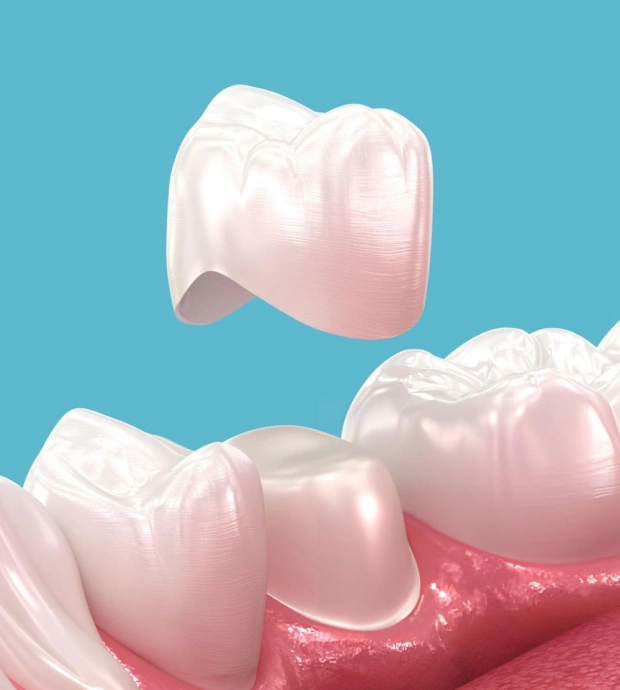
Dental crowns are restorative treatments designed to cover and protect damaged teeth. Patients with discolored, weakened, worn, chipped, cracked, or otherwise compromised teeth can benefit greatly from porcelain crowns. Known for their strength, durability, and natural look, porcelain crowns offer a practical and affordable way to restore a healthier, more radiant smile. Typically requiring just two visits to the dentist, they are a convenient option for smile restoration. If you're considering porcelain crowns, here's what you should know before scheduling a complimentary consultation.
During Your First Visit, Here's What You Can Expect
Let's talk about your preferences and goals to make sure that dental crowns are the right choice for you. Typically, getting dental crowns will require two appointments. At your initial visit, the dentist will:
- Begin by taking X-rays of your mouth and the surrounding bone.
- Reshape the damaged tooth as needed.
- Take an impression of your tooth and send it to a lab to create your custom permanent crown.
- In the meantime, a temporary crown will be placed while the permanent one is being made, which usually takes two to three weeks.
When your permanent crown is prepared, you will come back to the dental office for your second appointment. At this visit, the dentist will:
- Take out the temporary crown.
- Make sure the permanent crown matches the shape, size, and color of your natural tooth.
- Securely cement the new crown in place.
The Versatility of Dental Crowns
Dental crowns offer a versatile solution for a wide range of dental concerns, delivering both restorative and cosmetic benefits. When traditional whitening methods aren’t enough—such as in cases of discolored teeth from trauma or medication stains—a dental crown provides full coverage and can be customized to achieve the perfect shade.
Beyond cosmetic improvements, misshapen or damaged teeth can compromise oral function. A dental crown restores the tooth's shape and function, making activities like chewing and speaking more comfortable. It also strengthens severely damaged or decayed teeth, helping prevent further deterioration.
Dental crowns also play a key role in stabilizing teeth. After a root canal treatment, a crown seals and protects the tooth, reducing the risk of decay or infection. Crowns are also essential in stabilizing teeth that support dental bridges, preventing wear and additional decay.
For dental implants, custom crowns provide a natural-looking and fully functional replacement for missing teeth, completing the restoration process seamlessly.
More About Dental Crowns
Dental crowns are essential in restorative dentistry, playing a crucial role in preserving and enhancing both the health and appearance of damaged teeth. Often referred to as "caps," these custom-made coverings provide a durable, natural-looking solution for various dental concerns, from strengthening weakened teeth to improving their visual appeal.
In addition to restoring functionality, dental crowns contribute significantly to the aesthetic quality of a smile. They are used in many situations, such as protecting and restoring teeth affected by severe decay or fractures, addressing cosmetic issues, and reinforcing teeth after a root canal procedure.
Crafted from several different materials, dental crowns offer distinct advantages. Porcelain crowns closely resemble natural teeth, making them ideal for use on front teeth. Metal crowns, made from materials like gold or silver, are known for their outstanding durability and strength, making them a popular choice for back teeth. Porcelain-fused-to-metal (PFM) crowns combine the strength of metal with the aesthetic appeal of porcelain. All-ceramic crowns, made entirely of ceramic, provide a highly lifelike appearance and are suitable for both front and back teeth.
Receiving a dental crown involves multiple steps. During the first consultation, the dentist evaluates the tooth’s condition and determines whether a crown is necessary. The tooth is then reshaped to create space for the crown, and an impression is taken to ensure a precise fit and proper alignment with the patient's bite. While the permanent crown is being created, a temporary crown is placed to protect the tooth. Skilled technicians then design the custom crown to meet the patient’s specific needs. Once ready, the permanent crown is bonded to the tooth using dental cement.
Dental crowns offer numerous benefits beyond improving aesthetics. They strengthen and reinforce damaged or weakened teeth, enhancing overall oral function while preserving the natural look of the smile. Depending on the material chosen, crowns can withstand the stresses of daily biting and chewing, providing long-lasting durability and minimizing the need to remove additional tooth structure.
Maintaining dental crowns requires consistent oral hygiene. Brushing and flossing regularly help prevent plaque buildup and protect the health of surrounding gums. Avoiding habits such as using teeth as tools or biting into hard objects can prevent crown damage. Routine dental visits allow dentists to monitor crown conditions and address any issues before they become serious.
In conclusion, dental crowns represent the fusion of function and beauty in modern dentistry. By revitalizing compromised teeth, crowns enable patients to restore their smiles and improve their oral health. With a variety of materials and techniques available, dental professionals can tailor treatments to fit individual needs. Whether crafted from porcelain or metal, these restorative solutions highlight the advances in dental technology and their profound impact on preserving and enhancing dental well-being.