
Strengthening Your Smile's Resilience
Dealing with a damaged tooth can be difficult, impacting both the look of your smile and everyday activities like talking, eating, and oral care. If you are struggling with issues related to a broken, misshapen, or missing tooth, Four Zero Five Dental Aesthetics can provide assistance with porcelain dental crowns.
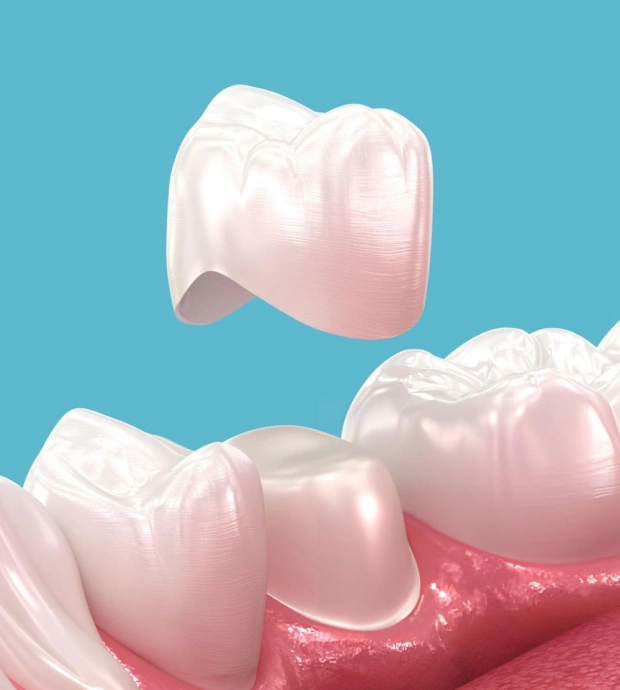
Porcelain crowns are restorative solutions that can cover and safeguard damaged teeth. They are particularly helpful for patients with discolored, weakened, worn, chipped, cracked, or otherwise compromised teeth. Porcelain crowns are recognized for their strength, durability, and natural appearance, offering a convenient and cost-effective way to enhance your smile. With just two visits to the dentist, porcelain crowns offer an efficient option for smile restoration. If you are thinking about porcelain crowns, here is what you should be aware of before scheduling a complimentary consultation.
What You Can Anticipate During Your Initial Appointment
During our first meeting, we will discuss your preferences and goals to determine if dental crowns are the best option for you. Normally, the dental crown process will involve two appointments. During your initial visit, the dentist will:
- Begin by taking X-rays of your mouth and the surrounding bone.
- Reshape the damaged tooth as needed.
- Take an impression of your tooth and send it to a lab to create your custom permanent crown.
- In the meantime, a temporary crown will be placed while the permanent one is being made, which usually takes two to three weeks.
Once your permanent crown is ready, you will return to the dental office for your second appointment. During this visit, the dentist will:
- Take out the temporary crown.
- Make sure the permanent crown is identical in shape, size, and color to your natural tooth.
- Securely cement the new crown onto your tooth.
The durability of dental crowns
Dental crowns are a versatile solution that can address a variety of dental issues, providing both restorative and cosmetic benefits. When traditional whitening methods are ineffective, such as in cases of discolored teeth from trauma or medication stains, a dental crown can offer full coverage and be customized to match the desired shade.
Not only do dental crowns improve the appearance of teeth, but they also enhance oral functionality. They can restore the shape and function of misshapen or damaged teeth, making activities like chewing and speaking easier. Crowns can also strengthen severely damaged or decayed teeth, preventing further deterioration.
Dental crowns are essential for stabilizing teeth as well. Following a root canal procedure, a crown can seal and protect the treated tooth, reducing the risk of decay or infection. Crowns can also stabilize teeth that support dental bridges, helping to prevent wear and decay.
When it comes to dental implant restorations, custom dental crowns provide a natural-looking and functional replacement for missing teeth, completing the restoration process seamlessly.
More About Dental Crowns
Dental crowns are essential in restorative dentistry, playing a crucial role in maintaining the health and appearance of damaged teeth. Also known as "caps," these custom-made coverings offer a durable and natural-looking solution for various dental issues, such as strengthening weakened teeth and improving their aesthetics.
In addition to restoring functionality, dental crowns also greatly enhance the overall appearance of a smile. They are used in different situations, including protecting and restoring teeth affected by decay or fractures, addressing cosmetic concerns, and reinforcing teeth after root canal treatment.
Crafted from different materials, dental crowns provide unique benefits. Porcelain crowns closely resemble natural teeth, making them ideal for front teeth. Metal crowns, made from alloys like gold or silver, are known for their exceptional durability and strength, making them a popular choice for back teeth. Porcelain-fused-to-metal (PFM) crowns combine the strength of metal with the aesthetic appeal of porcelain. All-ceramic crowns, made entirely from ceramic materials, offer a lifelike appearance suitable for both front and back teeth.
The process of getting a dental crown involves several steps. The dentist evaluates the tooth's condition during the initial consultation to determine if a crown is needed. Tooth preparation involves reshaping the tooth to accommodate the crown. An impression is taken to ensure a proper fit and alignment with the patient's bite. While the permanent crown is being made, a temporary crown is placed to protect the prepared tooth. Skilled technicians then create the custom crown according to the patient's specifications. Once ready, the permanent crown is bonded to the tooth using dental cement.
Dental crowns provide numerous benefits beyond cosmetic improvement. They offer strength and support to weakened or damaged teeth, enhancing overall oral function while maintaining a natural smile. Depending on the material chosen, dental crowns can withstand daily chewing and biting, ensuring long-lasting durability and reducing the need for further tooth structure removal.
To maintain the integrity of dental crowns, consistent oral hygiene practices are crucial. Regular brushing and flossing help prevent plaque buildup and keep the surrounding gum tissue healthy. Avoiding habits like using teeth as tools or biting into hard objects can prevent damage to the crown. Regular dental check-ups allow dentists to monitor the crown's condition and address any issues promptly.
In conclusion, dental crowns represent the perfect blend of function and aesthetics in modern dentistry. By restoring damaged teeth, crowns help patients regain confidence in their smiles and overall oral health. With a variety of materials and techniques available, dental professionals can customize crown treatments to meet individual needs. Whether made from porcelain or metal, these restorative solutions showcase the advancements in dental technology and the significant impact of modern dentistry on improving and preserving dental health.