
Periodontal Disease Treatment in Yukon
Gum disease is a common chronic condition that starts with gum inflammation and can result in bone loss around the teeth. The gums play a crucial role in supporting the bone and soft tissues that keep teeth in place. In advanced cases, gum disease can lead to tooth mobility due to bone and gum tissue loss. Dr. Kooper provides treatment for gingivitis and periodontal disease in Yukon, offering restorative dental care to address bacterial damage to your teeth and gums.
Gum Disease Symptoms
Pay attention to these signs of gingivitis and periodontitis.
- Inflamed and swollen gum tissues
- Gums that bleed
- Sensitive gums
- Receding gums
- Bone Loss
Please inform us if you notice any signs of gum inflammation or gum disease so we can provide you with the appropriate care in a timely manner. Our team is ready to help you.
Gum Disease Progression
Please inform us if you observe any signs of gum inflammation or symptoms of gum disease so we can promptly provide you with the necessary care.
Gingivitus
The first stage of gum disease, known as gingivitis, can be reversed by removing plaque buildup along the gum line. While common among adults in the U.S., gingivitis is often ignored because it typically doesn't cause pain. Keep an eye out for bleeding gums as a key indicator. If you notice bleeding while brushing or flossing, make sure to schedule an appointment promptly.
Mild Periodontal Disease
Currently, gum disease is being managed, but there is a risk of bone tissue deterioration and loss. The typical treatment includes scaling and root planing, which involves a deep cleaning of gum pockets to remove bacteria and debris. This procedure helps to disinfect the pockets and create a smoother surface on the tooth roots, encouraging the reattachment of gum tissue to the bone.
Periodontal Disease at a Moderate Level
As the infection progresses, it can deteriorate and not only affect the bone structure but also potentially spread to the bloodstream and impact other areas of the body. Scaling and root planing are crucial for managing the disease, as this treatment focuses on eliminating bacteria and preventing further advancement.
Advanced Periodontitis
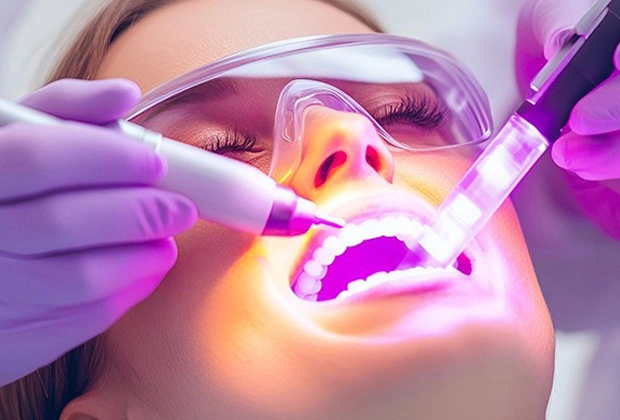
The infection has advanced, causing swollen gums with pus, bad breath, and pain when eating. If not treated, teeth may become loose and eventually fall out. Treatment usually includes surgery or laser therapy to stop additional damage to the teeth and bones.
More Information on Treating Periodontal Disease
Periodontal disease, also known as gum disease, is a common oral health issue caused by bacterial infections that affect the gums and supporting structures of the teeth. If left untreated, it can result in tooth loss and other health complications. Treatment focuses on controlling the infection, reducing inflammation, and restoring gum and tissue health depending on the severity of the disease.
For mild cases of periodontal disease, non-surgical options like scaling and root planing can effectively remove plaque and tartar buildup while smoothing tooth roots to promote gum reattachment and reduce bacterial pockets.
In more advanced cases, surgical interventions such as flap surgery may be necessary to thoroughly clean root surfaces. Bone or tissue grafts may also be required to regenerate lost structures in certain situations.
Persistent pockets may need specialized treatments like laser therapy or antibiotics to eliminate infected tissue and manage bacterial growth.
Consistent maintenance is essential for managing periodontal disease. Regular dental visits and cleanings help monitor the condition and prevent relapse. Patients are also provided with guidance on proper oral hygiene to maintain healthy gums and prevent recurrence.
Early detection and intervention are crucial for successful periodontal treatment. Regular dental check-ups and good oral care habits are vital for prevention and management. Addressing periodontal issues promptly enables patients to preserve oral health, prevent tooth loss, and promote overall well-being.