
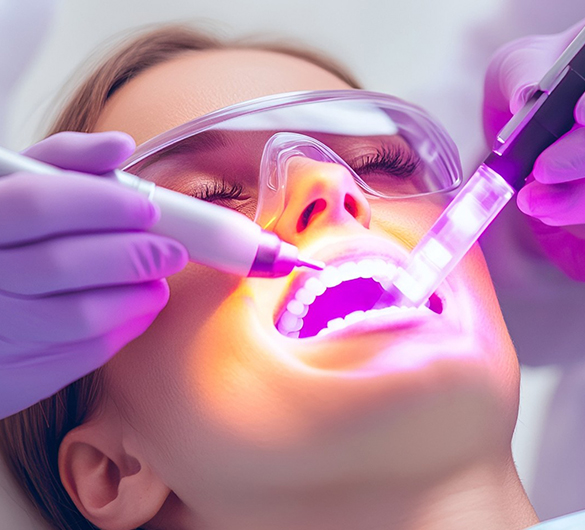
Treatment for Periodontal Disease in Arcadia
Gum disease is a common chronic condition that starts with gum inflammation and can result in bone loss around the teeth. The gums play a crucial role in supporting the bone and soft tissues that keep teeth in place. In more severe cases, gum disease can lead to tooth mobility due to the loss of bone and gum tissue. Dr. Kooper provides treatment for gingivitis and periodontal disease in Arcadia, offering restorative dental care to address bacterial damage to your teeth and gums.
Symptoms of gum disease
Be alert to these indicators of gingivitis and periodontitis
- Inflamed and swollen gum tissues
- Gums that bleed
- Sensitive gums
- Receding gums
- Bone Loss
Please inform us if you have noticed any signs of gum inflammation or gum disease so we can provide you with the care you need promptly. We are here to help.
The Progression of Gum Disease
Please inform us if you have observed any signs of gum inflammation or symptoms of gum disease. We are here to assist you in receiving the necessary care promptly.
Gingivitus
Gingivitis is the initial phase of gum disease that can be reversed, resulting from the accumulation of plaque along the gum line, leading to irritation and inflammation. Although prevalent among adults in the U.S., gingivitis is often overlooked as it usually does not cause pain. One important sign to be aware of is bleeding gums. If you experience frequent bleeding while brushing or flossing, it is important to promptly schedule an appointment.
Slight Periodontal Disease
Gum disease is currently at a manageable stage, but there is a risk of bone tissue deterioration and loss. Treatment typically includes scaling and root planing, a procedure that deep cleans gum pockets to remove bacteria and debris. This helps sterilize the pockets and smooth the tooth roots, encouraging gum tissue to reattach to the bone.
Moderate Periodontal Disease
As the infection progresses, it can become more severe, affecting not only the bone structure but also potentially spreading into the bloodstream and impacting other areas of the body. Scaling and root planing are crucial for managing the disease, as this procedure is designed to eliminate bacteria and halt further advancement.
Severe Periodontal Disease
At this point, the infection has gotten worse, causing swollen gums with pus, bad breath, and pain when chewing. Without treatment, teeth may become loose and fall out. Treatment usually includes surgery or laser treatment to stop more tooth and bone loss.
Further Insights Into Periodontal Disease Treatment
Periodontal disease, also known as gum disease, is a common oral health problem caused by bacterial infections that affect the gums and supporting structures of the teeth. If left untreated, it can result in tooth loss and other health complications. Treatment focuses on controlling the infection, reducing inflammation, and restoring gum and tissue health based on the severity of the disease.
For mild cases of periodontal disease, non-surgical options like scaling and root planing can effectively remove plaque and tartar buildup while smoothing tooth roots to encourage gum reattachment and reduce bacterial pockets.
In more advanced cases, surgical interventions such as flap surgery may be necessary to thoroughly clean root surfaces. Bone or tissue grafts may also be needed to regenerate lost structures in certain situations.
Persistent pockets may require specialized treatments like laser therapy or antibiotics to remove infected tissue and control bacterial growth.
Consistent maintenance is crucial for managing periodontal disease. Regular dental visits and cleanings help monitor the condition and prevent relapse. Patients are also given guidance on proper oral hygiene to keep their gums healthy and prevent recurrence.
Early detection and intervention are key to successful periodontal treatment. Regular dental check-ups and good oral care habits are important for prevention and management. Addressing periodontal issues promptly allows patients to maintain oral health, prevent tooth loss, and support overall well-being.